

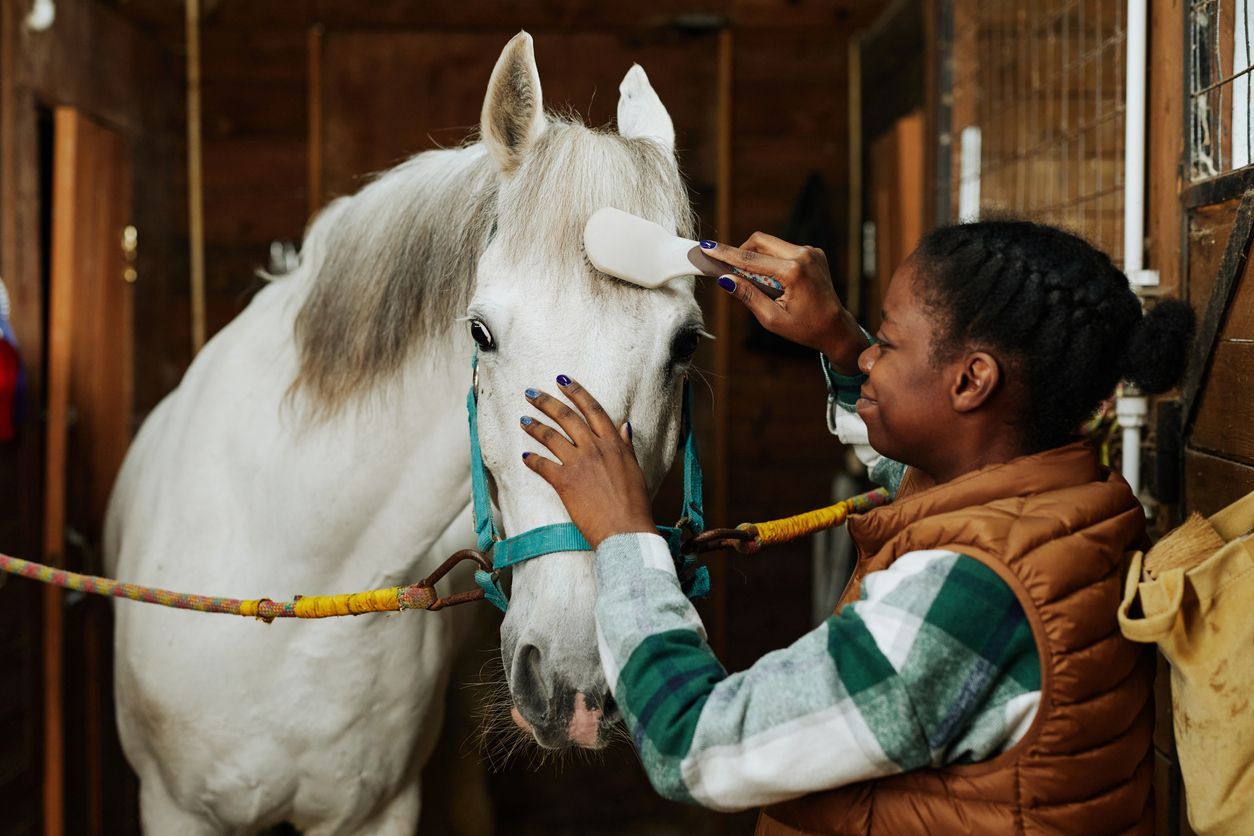
Training with Trust: Building a Better Bond with Your Horse
The relationship between a horse and rider is built on a foundation of mutual respect, understanding, and trust. When you're searching for effective horse training methods, it's essential to remember that successful training goes far beyond teaching commands—it's about creating a partnership that will last a lifetime. Building trust with your horse isn't just beneficial; it's absolutely crucial for both safety and performance.
The Foundation of Trust-Based Training
Traditional horse training methods often focused heavily on dominance and control, but modern equestrian science has shown us that trust-based approaches yield far better results. When you prioritize building trust with your horse, you create an environment where your horse feels safe to learn, experiment, and grow alongside you. This approach reduces stress for both horse and rider, leading to more enjoyable and productive training sessions. Trust begins with consistency in your actions, tone, and expectations. Horses are incredibly perceptive animals that thrive on routine and predictability. Every interaction you have with your horse—whether you're grooming, feeding, or training—contributes to the trust bank between you. Small gestures like approaching calmly, speaking in soothing tones, and respecting your horse's personal space all play vital roles in establishing this bond.
Understanding Your Horse's Communication
Building trust with your horse requires learning to read and respond to their body language effectively. Horses communicate through subtle shifts in posture, ear position, and facial expressions. A relaxed horse will have soft eyes, ears that move naturally to track sounds, and a lowered head position. Conversely, a stressed or uncomfortable horse might pin their ears back, tense their muscles, or shift their weight away from you. When you're engaged in horse training, pay attention to these signals and adjust your approach accordingly. If your horse shows signs of stress or confusion, take a step back, reassess your method, and give them time to process. This patience demonstrates that you're listening to their needs, which strengthens the trust between you.
Building Blocks of Trust-Based Training
The most effective horse training programs incorporate several key elements that foster trust while achieving training goals. Groundwork forms the foundation of this relationship, allowing you to establish clear communication patterns before adding the complexity of riding. Simple exercises like leading, backing up, and yielding to pressure help establish boundaries while building confidence. Positive reinforcement plays a crucial role in trust-based training. When your horse responds correctly to a cue, immediate rewards like verbal praise, gentle pats, or treats reinforce the behavior and strengthen your bond. This approach makes learning enjoyable for your horse rather than stressful or fearful. Consistency in your cues and expectations is another cornerstone of effective horse training. Using the same voice commands, hand signals, and body positioning helps your horse understand what you're asking. Mixed signals create confusion and erode trust, so maintaining consistency across all training sessions is essential.
The Role of Professional Guidance
While building trust with your horse is something every owner can work on, professional instruction can accelerate the process significantly. If you're searching for "horse training near me" or "horse riding training near me," you're taking a smart step toward improving your partnership with your horse. Professional trainers bring years of experience and can help identify subtle communication issues that might be hindering your progress. A skilled instructor will teach you to recognize your horse's learning style and adapt your training methods accordingly. Some horses learn best through repetition, while others need variety to stay engaged. Professional guidance helps you develop the timing, consistency, and patience necessary for effective trust-based training.
Creating Lasting Bonds Through Consistent Practice
Building trust with your horse isn't a one-time achievement—it's an ongoing process that requires daily attention and care. Even established partnerships benefit from regular trust-building exercises. Simple activities like hand-walking through new environments, practicing ground manners, or working on liberty training all contribute to a stronger bond. The time you invest in building trust with your horse pays dividends in every aspect of your relationship. Trusted horses are more willing to try new challenges, recover more quickly from mistakes, and develop the confidence necessary for advanced training. This foundation of trust also creates a safer environment for both horse and rider, as horses are more likely to look to their trusted handler for guidance in uncertain situations.
Your Partner in Equestrian Excellence
When you're ready to take your horse training journey to the next level, having the right support team makes all the difference. Whether you're searching for "horse training near me" or "horse riding training near me," finding experienced professionals who understand the importance of trust-based training is essential. Zippy Equestrian specializes in building strong partnerships between horses and riders through proven trust-based training methods. Our experienced team understands that every horse-and-rider combination is unique, and we tailor our approach to meet your specific goals while prioritizing safety and enjoyment.
Contact Details:
Phone: +91 9882988267
Email: info@teamzippy.in
Address: 102/2, Next to Sports Drome, Opposite Jain Public School, Puttenahalli, JP Nagar 7th Phase, Bangalore, Karnataka - 560078, India.
Frequently Asked Questions
Building trust is an ongoing process that varies depending on the horse's history and temperament. Initial trust can develop within days or weeks of consistent, positive interactions, but deep trust continues to strengthen over months and years of partnership.
Early signs include your horse approaching you willingly, relaxing when you're near, lowering their head in your presence, and following your lead without tension. You might also notice softer eyes and more relaxed body posture during interactions.
Yes, horses can learn to trust again, though it may take more time and patience. Consistency, gentle handling, and positive experiences are key to helping a horse overcome past trauma and develop new trust patterns.
The most common mistake is rushing the process and not listening to the horse's communication. Trying to force compliance rather than building understanding often undermines trust and can create behavioral problems.
Trust-building should be incorporated into every interaction with your horse, not just formal training sessions. Even brief daily interactions like grooming or feeding are opportunities to strengthen your bond through consistent, respectful handling.


Leave A Comment