

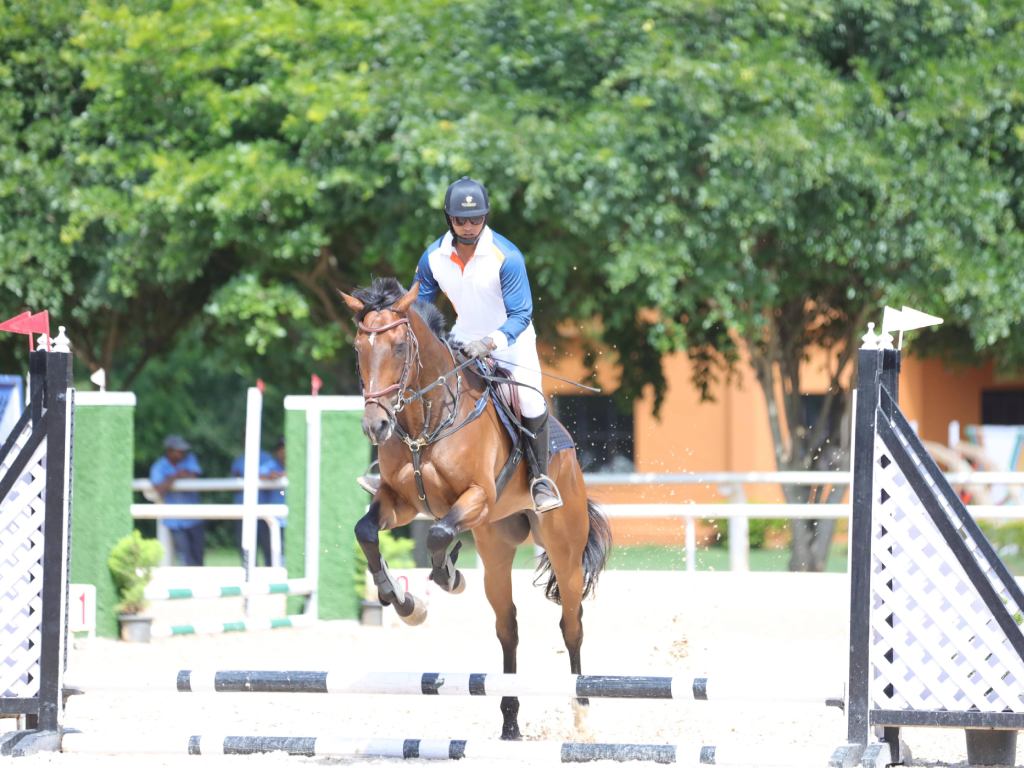
Horse riding is an exhilarating experience that combines physical skill, mental focus, and a deep connection with these magnificent animals. However, many riders, especially beginners, make common mistakes that can hinder their progress and even pose safety risks. Whether you're just starting out or looking to refine your technique, understanding these horse riding mistakes can make all the difference in your equestrian journey.
Understanding Beginner Horse Riding Mistakes
When people first enroll in horse riding classes in Bangalore, they often come with excitement but limited knowledge about proper riding techniques. The good news is that most beginner horse riding mistakes are easily correctable with proper guidance and awareness.
One of the most frequent horse riding beginners mistake s is poor posture. New riders tend to slouch, lean too far forward, or grip the saddle with tension throughout their entire body. This not only makes riding uncomfortable but also sends confusing signals to the horse. Proper posture involves sitting tall with your shoulders back, maintaining a straight line from your ear through your shoulder, hip, and heel. Your core should be engaged, but your body should remain relaxed and flexible to move with the horse's rhythm.
Another common error is gripping too tightly with the legs. Beginners often think they need to squeeze hard to stay on the horse, but this actually makes you more unstable and tires you out quickly. Instead, you should maintain gentle contact with your legs while keeping your heels down and toes pointed slightly outward. The best horse riding classes in Bangalore emphasize this fundamental principle early on, as it forms the foundation for all advanced techniques.
Hand Position and Rein Management
Improper hand position ranks among the top horse riding mistakes that affect communication with your horse. Many riders hold their hands too high, too low, or pull back on the reins with excessive force. Your hands should maintain a soft, consistent contact with the horse's mouth through the reins, forming a straight line from your elbow through your wrist to the bit. Think of holding a small bird in each hand—you don't want to squeeze too tight and hurt it, but you also don't want to open your hands and let it fly away.
Pulling on the reins to steer or stop is another prevalent mistake. Horses respond to gentle pressure and clear cues, not force. When you want to turn, use your entire body, including your legs, seat, and slight rein pressure, rather than simply yanking the reins to one side. Quality instructors athorse riding classes in Bangalore will teach you to use your weight and leg aids in coordination with your hands for smooth, effective communication.
Looking Down Instead of Ahead
One surprisingly impactful beginner horse riding mistake is looking down at the horse instead of looking where you want to go. Your body naturally follows your eyes, so when you look down, your weight shifts forward and your balance becomes compromised. This is especially problematic when jumping or navigating obstacles. Train yourself to keep your eyes up and focused on where you're heading. This simple adjustment will dramatically improve your balance and the horse's response to your direction.
Rushing Progress and Skipping Basics
In our fast-paced world, many riders want to gallop before they can walk—literally. Rushing through the learning stages is one of the most detrimental horse riding mistakes. Each skill builds upon the previous one, and skipping foundational work leads to bad habits that are difficult to break later. The best horse riding classes in Bangalore structure their programs to ensure riders master each level before advancing, understanding that patience and repetition create confident, skilled equestrians.
Neglecting Safety Protocols
Safety should never be an afterthought. Common horse riding beginners' mistakes in this area include improper helmet fitting, wearing inappropriate footwear, approaching horses incorrectly, or failing to check tack before mounting. Always wear an ASTM/SEI-certified riding helmet that fits snugly, boots with a small heel to prevent your foot from slipping through the stirrup, and avoid loose clothing that could catch on equipment.
How to Prevent These Mistakes
The most effective way to avoid these horse riding mistakes is to invest in professional instruction. Working with experienced trainers who provide immediate feedback and correction prevents bad habits from forming. Additionally, practice mindfulness during your rides—stay present and aware of your body position, your horse's responses, and the environment around you.
Regular practice is essential, but so is variety in your training. Don't just ride; spend time grooming, leading, and observing horses to deepen your understanding of their behavior and body language. Watch accomplished riders, ask questions, and never be afraid to revisit basics, even as you advance.
About Zippy Equestrian Centre
If you're looking for expert guidance to help you avoid these common pitfalls and develop proper riding technique from the start, Zippy Equestrian Centre offers comprehensive programs for riders of all levels. With experienced instructors, well-trained horses, and a focus on safety and skill development, Zippy Equestrian Centre has established itself as one of the premier facilities for horse riding classes in Bangalore.
Contact Zippy Equestrian Centre:
Phone: +91 9689968967
Email: info@teamzippy.in
Address: 102/2, Next to Sports Drome, Opposite Jain Public School, Puttenahalli, JP Nagar 7th Phase, Bangalore, Karnataka - 560078, India.
Website: https://zippyequestrian.com/
Their patient, knowledgeable instructors are dedicated to helping you build confidence and competence in the saddle while fostering a genuine connection with these incredible animals.
Frequently Asked Questions
The timeline varies depending on the individual and how ingrained the habits have become. With consistent practice and professional instruction, most riders see significant improvement within 4-6 weeks. However, some postural issues may take several months to fully correct, especially if you've been riding with poor form for an extended period.
While online resources can provide valuable supplementary information, they cannot replace hands-on instruction. Horse riding requires real-time feedback about your position, balance, and communication with the horse. An instructor can spot and correct mistakes immediately, preventing bad habits from developing.
Wear comfortable, fitted pants (avoid shorts or loose clothing), boots with a small heel (riding boots are ideal, but sturdy hiking boots work initially), and bring a properly fitted riding helmet. Most facilities provide helmets for beginners. Avoid jewelry that could catch on equipment, and tie back long hair.
Yes, it's completely normal to experience muscle soreness, especially in your inner thighs, core, and lower back after your first few rides. Horse riding engages muscles you don't typically use in daily activities. The soreness usually decreases as your body adapts. Proper stretching before and after riding can help minimize discomfort.
For optimal progress, beginners should aim for at least one lesson per week, though two lessons per week will accelerate skill development. Consistency is more important than frequency—regular weekly lessons are better than sporadic intensive practice. This allows your body to build muscle memory while giving you time to process and practice what you've learned between sessions.
Visit Zippy Equestrian today and explore top-tier horse boarding services in Bangalore!


Leave A Comment